Add Row
Add Element
Add Element
  • Home
  • Categories
    • FEATURED
    • IMPACT
    • VOICES
    • ACTION
    • RESOURCES
    • EVENTS
    • PARTNERS
    • LEADERSHIP
    • EMPOWERMENT
    • RESILIENCE
    • IGA
    • RIPPLE CROWD
    • GRANTS PLUS
    • COMMUNITY
    • CROWDFUNDING
    • SPECIAL EVENTS
    • LEGACY
    • CHARLOTTE WORKS
March 10.2025
3 Minutes Read

As We Enter the Year of the Wood Snake, Hope for Nonprofits Unfolds

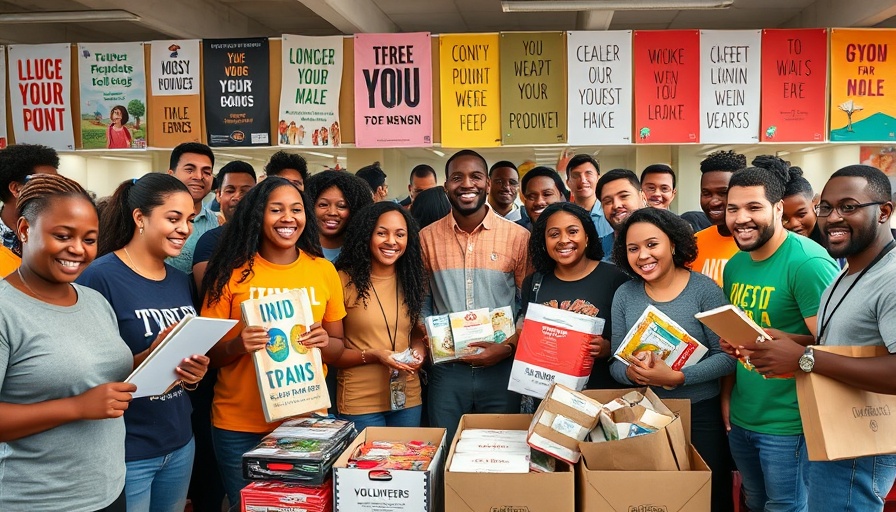
Enthusiastic volunteers organizing supplies in a community center.

Embracing Renewal: The Year of the Wood Snake

As we usher in the Lunar New Year on January 29, 2025, we enter the Year of the Wood Snake, a symbol of resilience and transformation across various cultures. While many Western traditions may portray snakes as deceptive creatures, Eastern philosophies embrace them as symbols of regeneration, fertility, and wisdom. This duality is particularly significant in the context of the challenges we face in today's society.

A World in Chaotic Times

The recent political climate has intensified fears of systemic cruelty—ranging from racism and transphobia to widespread misinformation. Speaking from experience, I am deeply concerned about how these societal issues can tear apart the fabric of communities around us. This resonates with what many nonprofit organizations are facing today: continuing to advocate for justice and support marginalized communities while navigating through uncertainty and fear. Yet, we must harness our exhaustion as fuel for determination. Now, more than ever, we have to channel our energy into fighting for a world that is equitable and just.

Hope Amidst Adversity

The words of author and activist Arundhati Roy, stating that “another world is not only possible, she is on her way,” serve as a beacon of hope. Roy's insights remind us that though we may face significant challenges, the potential for positive change remains alive. This promise of transformation is especially poignant in the context of the Year of the Wood Snake, which some interpret as a period ripe for breakthroughs. Nonprofits can utilize this symbolism to inspire action and foster hope within their communities, emphasizing that through collective efforts, change can take hold.

The Power of Community

The Lunar New Year also emphasizes familial bonds and community ties, providing a strong foundation for collective resilience. Festivals like these foster cultural identity and connection among families, giving us a sense of belonging. For nonprofits, this is a crucial reminder of why our work matters—strengthening these community connections becomes vital in times of crisis. We can help heal divides by creating safe spaces for dialogue and understanding.

Actionable Steps for Nonprofits

How can nonprofits embody the spirit of the Wood Snake? Firstly, embracing adaptability in strategies and outreach efforts can foster new connections and opportunities. It is essential to continually reassess our methods and consider innovative solutions that honor inclusivity and diversity. Secondly, aligning organizational goals with community needs can galvanize support and engagement. Thirdly, sharing stories that highlight triumphs and challenges can inspire hope and encourage others to act.

Fostering Long-Lasting Change

Despite external chaos, it is important to recall that transformation often emerges from turmoil. Recent uprisings against injustice allude to a growing awareness and willingness to confront systemic issues. This is a call for nonprofits to not only respond to immediate crises but to engage in deeper conversations about the root causes of these injustices. For example, supporting policy changes that promote social equality can extend beyond charity work and lead to more profound systemic changes.

Conclusion: A Call to Action

As we embark on the Year of the Wood Snake, let us channel its transformative energy into our nonprofit missions. It's a time to fortify our resolve to advocate for marginalized communities and promote social justice. Together, we can create a world filled with hope and possibility. Let’s harness this opportunity by mobilizing our networks, amplifying our voices, and taking decisive action towards a better future.

Join the movement today. Share your stories, support local initiatives, and engage with your communities. Together, we can pave the way for meaningful change.

IMPACT

6 Views

0 Comments

Write A Comment

*
*
Related Posts All Posts
03.03.2026

Transforming Nonprofit Fundraising: Breaking Free from Common Myths

Update Unpacking the Myths: Questionable Assumptions in FundraisingFundraising is a crucial yet often daunting task for nonprofit organizations. Many leaders in this sector are encumbered by long-standing assumptions that limit their potential for success. As the landscape of philanthropy evolves, it’s vital to reevaluate these beliefs and embrace new strategies. Here, we delve into some common questionable assumptions that may be holding nonprofit organizations back and highlight the need for transformative approaches in fundraising.1. The Donor-Centered FallacyMany fundraisers believe that excessive flattery and pandering to donors is essential for securing donations. This assumption leads to the reliance on an “attitude of gratitude,” where fundraisers feel they must constantly elevate donors above the mission. In reality, this is often unnecessary. Research shows that many donors appreciate transparency and engagement over being fawned over. Instead, organizations should focus on conveying their mission’s importance and how donors can play an integral role without excessive appeasement.2. Donors’ Narrow InterestsAnother prevalent belief is that donors don’t care about issues like equity or social justice. This line of thinking underestimates the evolving values of today’s philanthropists. Today’s donor base is increasingly open to discussing systemic issues that influence the causes they care about. Engaging donors in conversations about these broader contexts can deepen their commitment to the organization’s mission.3. The Threat of Donor DiscontentThere's a common fear that challenging donors—especially those with traditional views—will drive them away. This fear often leads nonprofits to compromise their values and operate in silos. The truth is that most donors respect honesty and are often open to constructive conversations. By pushing for a dialogue that encourages critique and reflection, organizations can build more meaningful relationships.4. Sticking With the Status QuoMany fundraisers remain entrenched in outdated methods theorizing that change will lead to losses in funding. This fear hinders innovation and adaptation. Changes, such as those advocated by the Community-Centric Fundraising movement, can reframe how nonprofits operate. Organizations willing to adapt and introduce new methodologies are likely to attract enthusiastic supporters who align with their values.5. The Misconception of Overhead CostsFundraising itself is often trapped in the misconception that donors equate low overhead with effectiveness. However, investing in infrastructure and organizational health is crucial for sustained impact. Educating donors on the value of reasonable overhead can lead toward a fuller understanding and ultimately enhance trust.Embracing Change: A Call to ActionAs nonprofits face an evolving landscape, it’s essential to challenge questionable assumptions and be open to new norms. Organizations should: - Invest in relationship-building and community-centric strategies. - Foster dialogues that engage donors around equity and system change. - Educate stakeholders about the need for adequate funding that includes overhead costs. By redefining how we think about fundraising, nonprofits can sustain their missions more effectively in a side-by-side partnership with their supporters.A Future Where Fundraising Fosters PhilanthropyThe challenges of fundraising within the nonprofit sector are significant, but they are surmountable with a shift in perspective. Nonprofits have the opportunity to redefine their narratives, reshape their relationships with donors, and, ultimately, enhance their contributions to society. As fundraising evolves, it is crucial for organizations to embrace these fresh modes of understanding and engagement.

02.24.2026

The Crucial Importance of Family Time for Nonprofits and Social Workers

Update Choosing Family First: An Essential Lesson for Nonprofit Workers In the complex world of nonprofit organizations, where the mission often stretches beyond mere professional obligations, it can be easy to overlook the importance of personal connections. A resonant piece of advice coming from seasoned industry professionals is to spend more time with loved ones. This sentiment is echoed frequently among nonprofit workers returning to their roots and remembering the lives they touch beyond organizational efficiency. The Challenge of Balancing Work and Family Many in this sector grapple with the feeling of giving everything they've got to their work while sacrificing valuable time with family and friends. The emotional labor of nonprofit work can be intense, often leading to mental exhaustion that distances workers from their support networks. The importance of family time cannot be understated; it is more than just a bonus but a fundamental right and necessity for maintaining mental health. A study by Casey Family Programs highlights that healthy family connections are essential for well-being, particularly for those in high-stress professions like social work. Moving From Regret to Resolution Reflecting on past experiences, one shared story illustrates the common regrets of failing to find time for family. The person recounted bittersweet memories of their mother, emphasizing that the relationships we sometimes take for granted can shift significantly over time. As professionals, we might think we have all the time in the world to connect with others, but life can be unexpectedly fragile. Regularly investing quality time with loved ones can serve as a buffer against this reality. The Science Behind Family Time Research indicates that frequent, quality family time can lead to not only better emotional well-being but also guide us in our careers. Just as maintaining parent-child connections is critical for children's well-being in foster care, the same principles apply widely across family dynamics. Family interactions serve as anchors, providing the reassurance we all need to navigate life's uncertainties. Shifting Perspectives on Professional Roles For professionals in social and nonprofit sectors, there is often an overwhelming drive to support and uplift others. However, it’s vital to remember that in doing so, one must also nurture their well-being. As Millie Glass, a children's social worker, notes, the pressures of this profession can create emotional detachment from one's family. Making a conscious effort to prioritize family time enhances both personal life satisfaction and overall work efficacy. Creating a Culture of Balance Nonprofit organizations can benefit from cultivating a culture that values family time. Addressing the emotional toll that comes with social work can be mitigated by creating policies that encourage employees to take part in family activities and personal downtime. The benefits of this approach extend beyond the individual, improving workplace morale, productivity, and staff retention. Actionable Insights for Nonprofits How can you start prioritizing family time without compromising your professional responsibilities? Here are actionable steps: Set boundaries: Establish clear work hours and stick to them to ensure personal time isn’t compromised. Schedule family activities: Treat family time just like an important meeting you cannot miss. Communicate openly: Discuss the importance of family time with your colleagues and work towards a communal approach within your organization. By placing equal importance on both work and family, nonprofit professionals can create a fulfilling balance that fosters deeper connections at home, which can lead to greater dedication at work.

02.18.2026

Harnessing the Year of the Fire Horse: A Call to Action for Nonprofits

Update Embracing the Year of the Fire Horse: Opportunities for Nonprofits As nonprofits prepare for the upcoming Lunar New Year on February 17, 2026, they eagerly enter the Year of the Fire Horse. This year, rich with symbolism, carries implications for the nonprofit sector that are ripe for exploration. In many cultures, the Horse embodies speed, decisiveness, and action—qualities that are crucial for organizations facing the pressing challenges of today. What the Fire Horse Represents The Year of the Fire Horse combines the dynamic nature of the Horse with the transformative qualities of Fire. Horses, known for their strength and freedom, symbolize independence and victory in battle. Fire, on the other hand, is associated with action, courage, and passion. Together, these elements signify a call for bold actions and risk-taking in the nonprofit realm. According to astrological insights, the last time we encountered this powerful combination was in 1966—a year marked by upheaval and significant cultural change. Fast-paced transitions akin to a wildfire are predicted, making this an ideal time for nonprofits to push for necessary change. Actionable Insights for Nonprofits With the ethos of the Fire Horse, nonprofits are encouraged to seize this moment of opportunity. Here are a few key recommendations: Funders need to act quickly: Don’t dwell on lengthy consultative processes or endless discussions. This is the year to provide funding swiftly to organizations championing critical causes. Shorten decision-making timelines and actively seek out nonprofits that are driving equity and progressive change. Be decisive: Nonprofits must not hesitate. When opportunities arise for advocacy or direct action, take the plunge. Resist the urge to perfect plans; instead, embrace the chance to make an immediate impact. Building a Coalition of Courage As communities across the globe strive for social justice and reform, like the movement against oppressive systems reflected in recent years, the Year of the Fire Horse beckons nonprofits to form alliances. By fostering collaboration within and across sectors, organizations can enhance their societal impact. The emphasis on community-oriented initiatives aligns with the essence of the Horse, which thrives in the companionship of its herd. The Role of Technology and Innovation The year 2026 promises not only rapid advancements but also challenges, particularly in understanding and integrating technology. The Fire element symbolizes innovation, as seen in the explosive growth of AI and related technologies. Nonprofits should be anticipating these trends, adapting their strategies to leverage new tools for outreach, fundraising, and engagement while being cautious of potential pitfalls. Strengthening Resilience The association of Fire with change suggests that adaptation will be necessary this year. As nonprofits forge ahead, resilience will become paramount, especially as they navigate uncertainties in funding, policy changes, and community needs. Drawing on past learnings—lessons from the Year of the Snake, which emphasized endurance—organizations should cultivate flexibility in their operational strategies to withstand and thrive during this tumultuous year. Conclusion: Harnessing the Fire Horse Energy The Year of the Fire Horse presents an exciting array of opportunities for nonprofits to galvanize change and further their missions. By embracing action, collaboration, and innovative strategies, nonprofits can harness this energetic year to achieve remarkable progress. As we step into this vibrant year, let us remember to act with urgency, heart, and audacity in service of our communities.

Terms of Service

Privacy Policy

Core Modal Title

Sorry, no results found

You Might Find These Articles Interesting

T
Please Check Your Email
We Will Be Following Up Shortly
*
*
*